


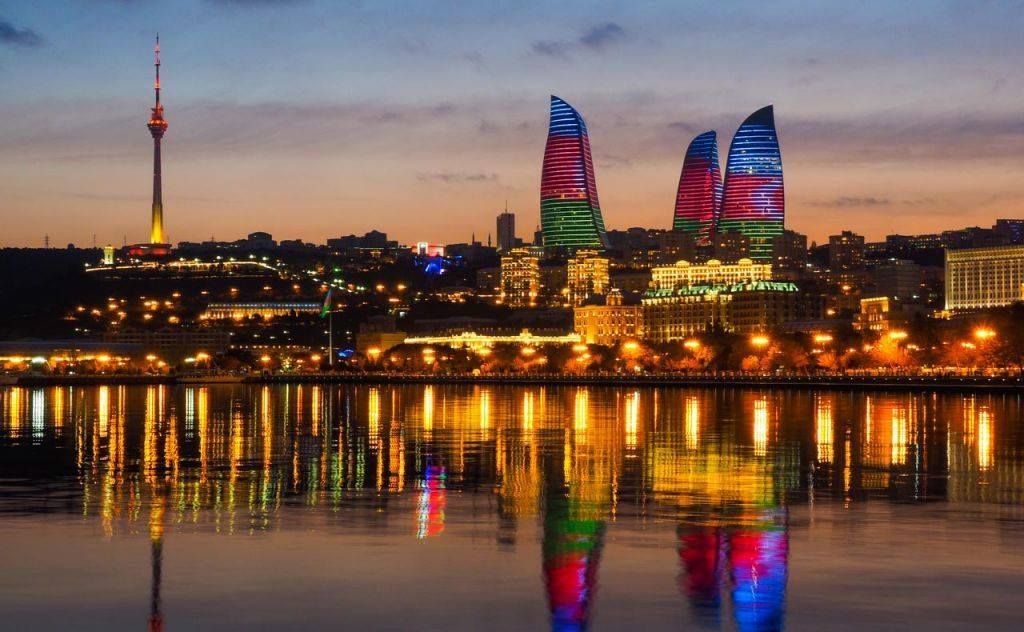
At a time when global economic relations are rapidly changing, geopolitical competition is intensifying, and uncertainty in supply chains is increasing, the factors determining countries’ international standing are also changing. Today, it is no longer enough to simply possess natural resources or a favorable geographical location. For investors, stability, security, reliable partnerships, and long-term predictability are at least as important as economic indicators.
The economic and diplomatic initiatives put forward by Azerbaijan in recent years have also attracted attention against this backdrop.
The Second Azerbaijan International Investment Forum, held in Baku, is a concrete example of this. The participation of investors from various countries, international financial institutions, and business representatives at the forum demonstrates that Azerbaijan is positioning itself not only as a country receiving investment, but also as a stakeholder in shaping regional economic ties. Let us hear from Tahir Mirkishili, a member of the Milli Majlis:
“Azerbaijan has entered an entirely new stage in order to minimize the impact of global developments on the country’s economy. This stage is associated with building infrastructure that creates added value, generates greater value within the country, and can multiply that value several times over. All of this has one ultimate goal: to create a sustainable, resilient, more diversified, and deeper economic structure in Azerbaijan. These measures are aimed at minimizing the impact on the Azerbaijani economy of the increasing number of crises occurring around the world in recent years, as well as price fluctuations.”
At a time when transport and energy routes connecting East and West are becoming increasingly important, the country’s transit potential is turning not only into an economic resource but also into a factor of geoeconomic significance. Azerbaijan aims to increase its transit capacity to 25 million tons by 2030.
Political stability, meanwhile, is one of the key conditions underpinning all these processes. For those making long-term investment decisions, it is important not only to understand what today looks like, but also what tomorrow may bring. A stable political environment, developing infrastructure, and regional connectivity create conditions for economic projects to be planned with a long-term perspective.
In this context, the economy and foreign policy should not be viewed as separate processes, but rather as complementary areas. A new transport route requires political ties; energy projects require long-term partnerships; and investment cannot develop without mutual trust.
Therefore, when discussing Azerbaijan’s growing global standing, it is not sufficient to assess the issue solely from a political or an economic perspective. The country’s increasing international standing can be viewed as the result of the interplay between political stability, economic opportunities, and regional connectivity.