.png)


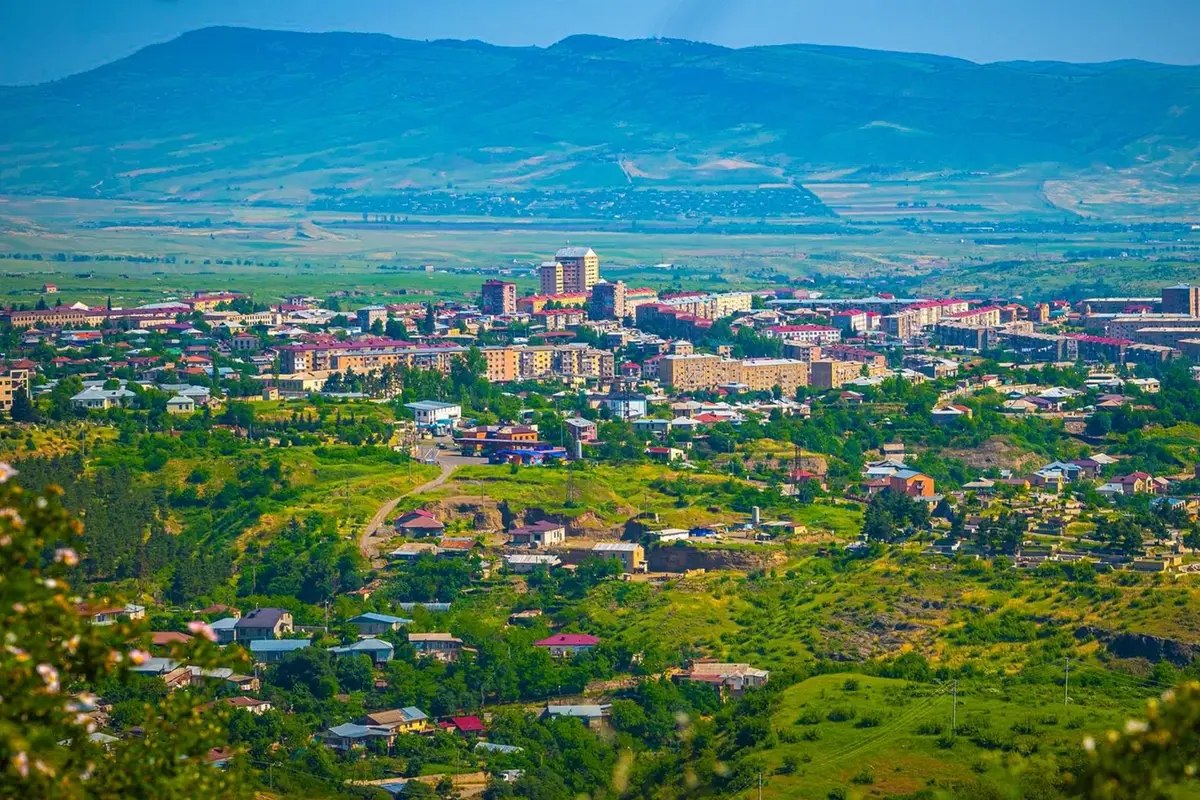
The restoration of the liberated territories in Karabakh and Eastern Zangazur and the return of former internally displaced persons to their native homes are continuing. The establishment of new settlements, the development of social infrastructure, and the ongoing resettlement process demonstrate that life in these areas is gradually returning to its previous rhythm. At present, more than 90,000 people live, work, and study in 48 cities and villages across the region.
One of the key stages in this process was the completion of the local anti-terror measures launched on September 19, 2023.
In the subsequent period, particular attention was paid to rebuilding the social and public life of Khankendi. The launch of Qarabagh University contributed to the formation of a new educational environment and created conditions for strengthening the role of human capital in the city’s future development. The establishment of educational, healthcare, and other social infrastructure is laying the foundations for a new life in Khankendi.
The Great Return process is also producing tangible results in Khojaly. The return of former internally displaced persons to the city began on May 28, 2024. New residential buildings and social facilities are being built, and other infrastructure projects are being implemented. The laying of the foundation stone for the Khojaly Genocide Memorial is another important step toward preserving the memory of the victims of the tragedy. Today, Khojaly is becoming a symbol of both historical memory and reconstruction.
Restoration and resettlement efforts are also continuing in Khojavand in stages. Alongside the revival of life in the settlement of Hadrut and a number of villages, the restoration of state administration and social infrastructure in other parts of the district began after September 2023.
The scale of resettlement demonstrates that the Great Return has already produced tangible results. A total of 119 families have settled in Khankendi and Karkijahan, 1,167 families in Khojaly and surrounding settlements, 988 families in Khojavand and its settlements, and 917 families in several villages of Aghdara district.
These figures represent only part of the large-scale reconstruction efforts underway in Karabakh. Alongside new roads, residential complexes, schools, hospitals, and other social facilities, the return of people to their native lands has become one of the key indicators of the region’s future development.
Today, more than 90,000 people already live, work, and study in 48 cities and villages across Karabakh and Eastern Zangazur. The Great Return is continuing. In the next stages, the commissioning of new settlements and the expansion of the return of people to their native homes are expected to further transform the region.