


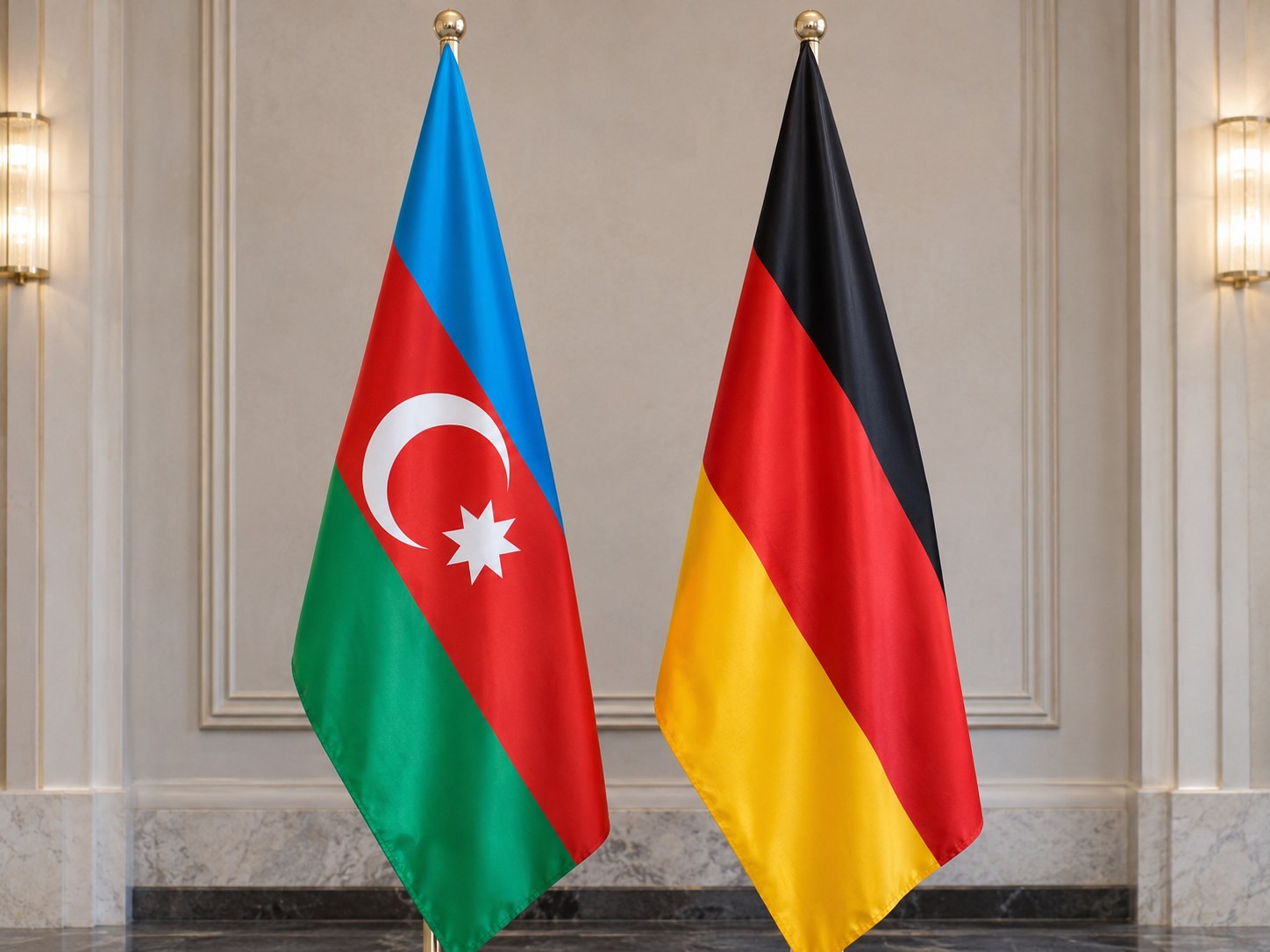
The visit of German Foreign Minister Johann David Wadephul to Azerbaijan can be regarded as a sign of a new stage in the development of relations between Baku and Berlin.
President Ilham Aliyev’s reception of the German Foreign Minister is further confirmation of the importance attached to maintaining bilateral relations at a high political level.
It should be recalled that the Joint Declaration on the Strategic Agenda for Bilateral Partnership between the Republic of Azerbaijan and the Federal Republic of Germany, signed in July, established an important political framework for the future development of relations. Meanwhile, the document on the establishment of the Azerbaijan–Germany Business Council is intended to strengthen this partnership through concrete mechanisms in the economic sphere. Thus, the two sides are not limiting their cooperation to political dialogue alone, but are also expanding it through business, investment and industrial ties.
One of the notable areas of bilateral relations is energy cooperation. Azerbaijan’s commencement of natural gas exports to Germany this year adds a new dimension to bilateral ties. Azerbaijan’s role in Europe’s efforts to diversify its energy security is steadily growing. In particular, the reliability of energy supplies, the development of alternative energy sources and green energy projects are among the promising areas of cooperation between Baku and Berlin. This not only strengthens Azerbaijan’s position on Europe’s energy map but also creates new opportunities for cooperation for Germany.
Another important area is transport and logistics. Growing freight traffic along the Middle Corridor and Azerbaijan’s strategic position in East–West transport links are among the factors strengthening Germany’s economic interest in the region. At a time when global supply chains are being reshaped and alternative transport routes are gaining importance, Azerbaijan is emerging as a major transit and logistics hub between Europe and Asia. The development of this route is also significant for Germany from both economic and geopolitical perspectives.
All these factors demonstrate that the German Foreign Minister’s visit to Baku is important not only for assessing the current state of bilateral relations but also for identifying the priorities of future cooperation. Political dialogue, energy security, economic partnership and transport connectivity are bringing Azerbaijan–Germany relations into a broader regional and international context.