


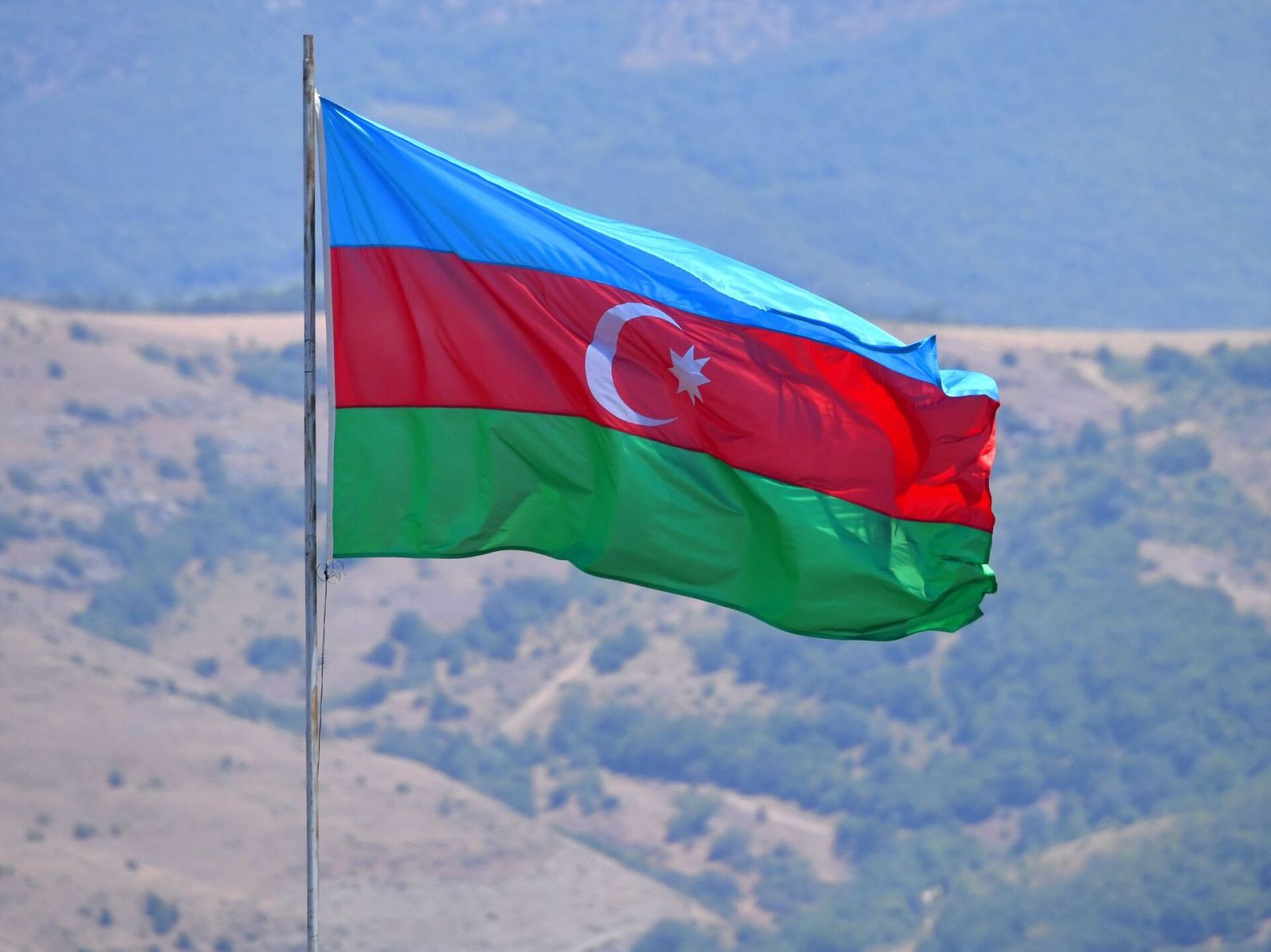
Wars make history, but true political success is measured by the ability to shape post-war realities. By restoring its territorial integrity and historical justice in the 44-day Patriotic War, Azerbaijan established new geopolitical realities in the region. This victory was not only a triumph of military strategy, but also of political will, diplomatic determination and state policy based on national interests.
One of the key aspects that distinguishes Azerbaijan’s experience is its promotion of a peace agenda following its victory. After the end of the war, Baku put forward initiatives aimed at ensuring lasting peace in the region, opening communications, delimiting borders and normalizing interstate relations. Speaking on the subject, Sevil Mikayilova, a member of the Milli Majlis, said:
“In 2020, Azerbaijan launched a war in response to Armenia’s attacks. Overall, if we consider the developments of this recent period of history, these military operations were conducted with remarkable precision from tactical, political and diplomatic perspectives, and were brought to their logical conclusion. We demonstrated to the entire world that waging war is not merely an act of aggression or an operation intended to impose one’s dominance and political interests in one way or another”.
This approach highlights the essence of Azerbaijan’s political course in the post-conflict period. Baku seeks to transform its military victory not into the beginning of a new phase of confrontation, but into a historic opportunity to establish lasting peace and cooperation in the region.
Azerbaijan’s peace initiatives demonstrate that the country’s objective is not merely to formalize the outcomes of the war, but to reshape the security architecture of the South Caucasus. In this regard, Azerbaijan’s post-conflict experience is regarded as one of the noteworthy examples in the international relations system.