


A new geopolitical reality has emerged in the South Caucasus following the Second Karabakh War. Azerbaijan’s military victory and consistent diplomatic efforts have created new opportunities for peace and cooperation in the region. However, the end of the war does not automatically guarantee lasting peace.
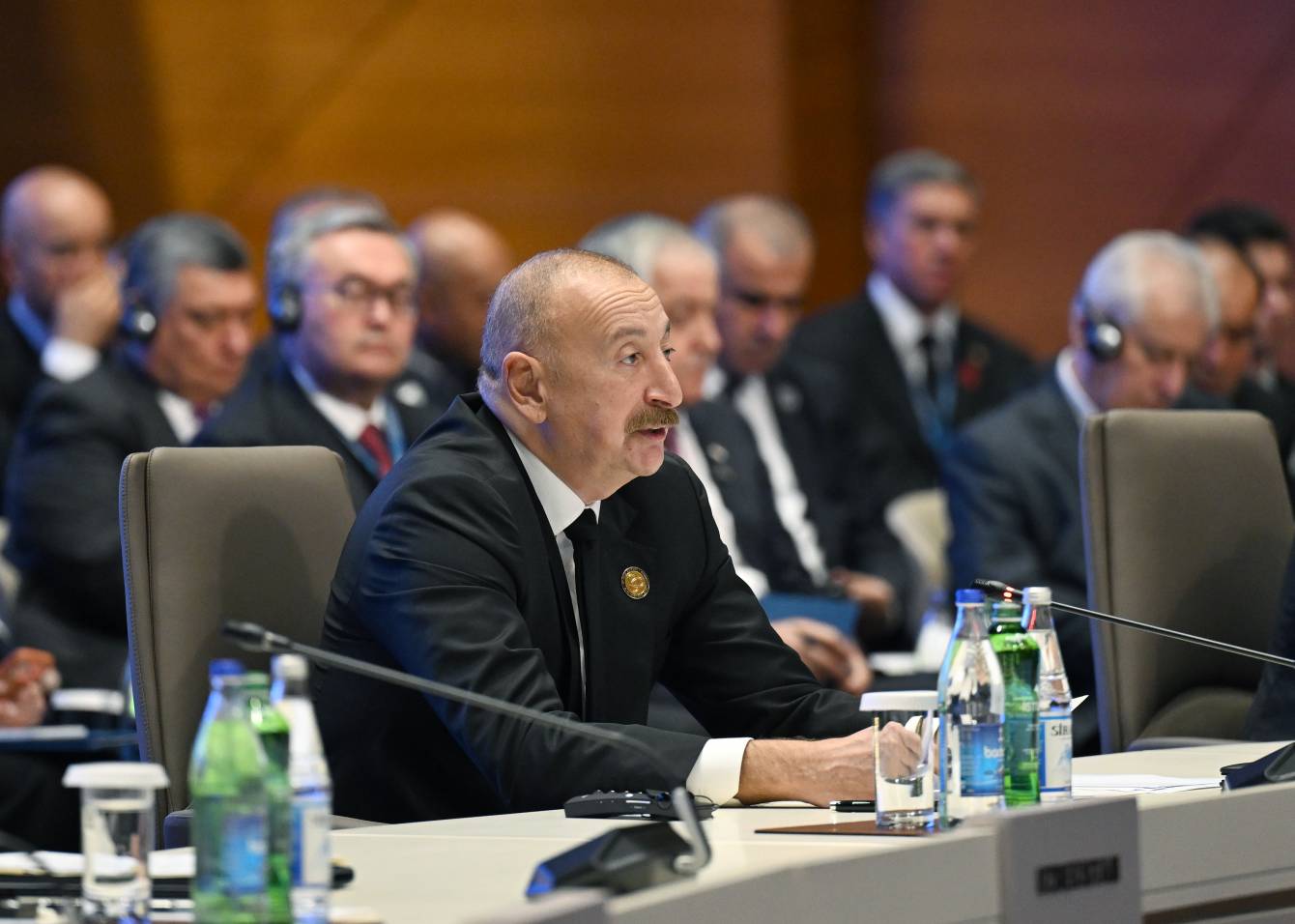
Although Azerbaijan emerged victorious, it chose the path of peace rather than revenge after the war. Official Baku proposed a peace agenda to Armenia with the aim of ensuring long-term regional stability. Today, the key challenge is to preserve the achievements already made and reinforce the existing calm through a solid legal framework. Speaking at the 7th Summit of the Conference on Interaction and Confidence-Building Measures in Asia (CICA), President Ilham Aliyev drew attention to this reality by emphasizing that peace remains fragile.
“We won the war and drove the occupiers from our lands, but we did not seek revenge for 30 years of suffering, for the genocide, or for the destruction of our cities and villages. We took our revenge on the battlefield. And we offered peace to Armenia. This once again demonstrated the character of our people. We did not strike at an enemy who was already down. We did not descend to the level of those barbarians and baby killers who inflicted so much suffering upon our people. We offered peace, and we have now been living in peace for a little more than a year. The peace is still fragile, and it needs to be protected and consolidated.”
The President’s message reflects the essence of the current regional situation. After the war, Azerbaijan advanced a peace agenda by presenting five principles based on international law. In the subsequent phase, direct negotiations between the two sides, the return of four villages in Azerbaijan’s Gazakh district, and progress in border delimitation became tangible outcomes of the process.
Significant progress has also been achieved on the diplomatic front. In Washington, with the participation of U.S. President Donald Trump, the leaders of Azerbaijan and Armenia signed a Joint Declaration, while the text of the peace agreement was initialed. The Baghdad Declaration of the Organization of Islamic Cooperation also positively assessed the progress made in the normalization process.
Nevertheless, several issues still need to be resolved before the legal foundations of peace can be fully established. Provisions in Armenia’s Constitution that Azerbaijan associates with territorial claims against it remain one of the main obstacles to the signing of a final peace agreement.
Azerbaijan’s position is clear: peace cannot be secured by declarations alone—it requires concrete political will and the fulfillment of legal commitments. To achieve this, Armenia must remove the existing constitutional and political obstacles and abandon approaches that delay the peace process.